
Let's Sketch in - Issue #36
Sketchnote on tools of Sketchnote
👋 Hey, I’m Kumar and welcome to my weekly newsletter. Each week I share Sketchnote(s) on product, leadership, personal growth, and anything that helps you get started on Sketchnoting.
🪅Welcome
Hello and warm welcome to the new friends of this newsletter. If you are here the first time, take some time look at my past issues.
If you liked the content and think some of your network will like it too, help me spread the word.
This is going to be a looooooong post, so put on your seatbelt 🚀
🥁Sketchnote on tools of Sketchnote
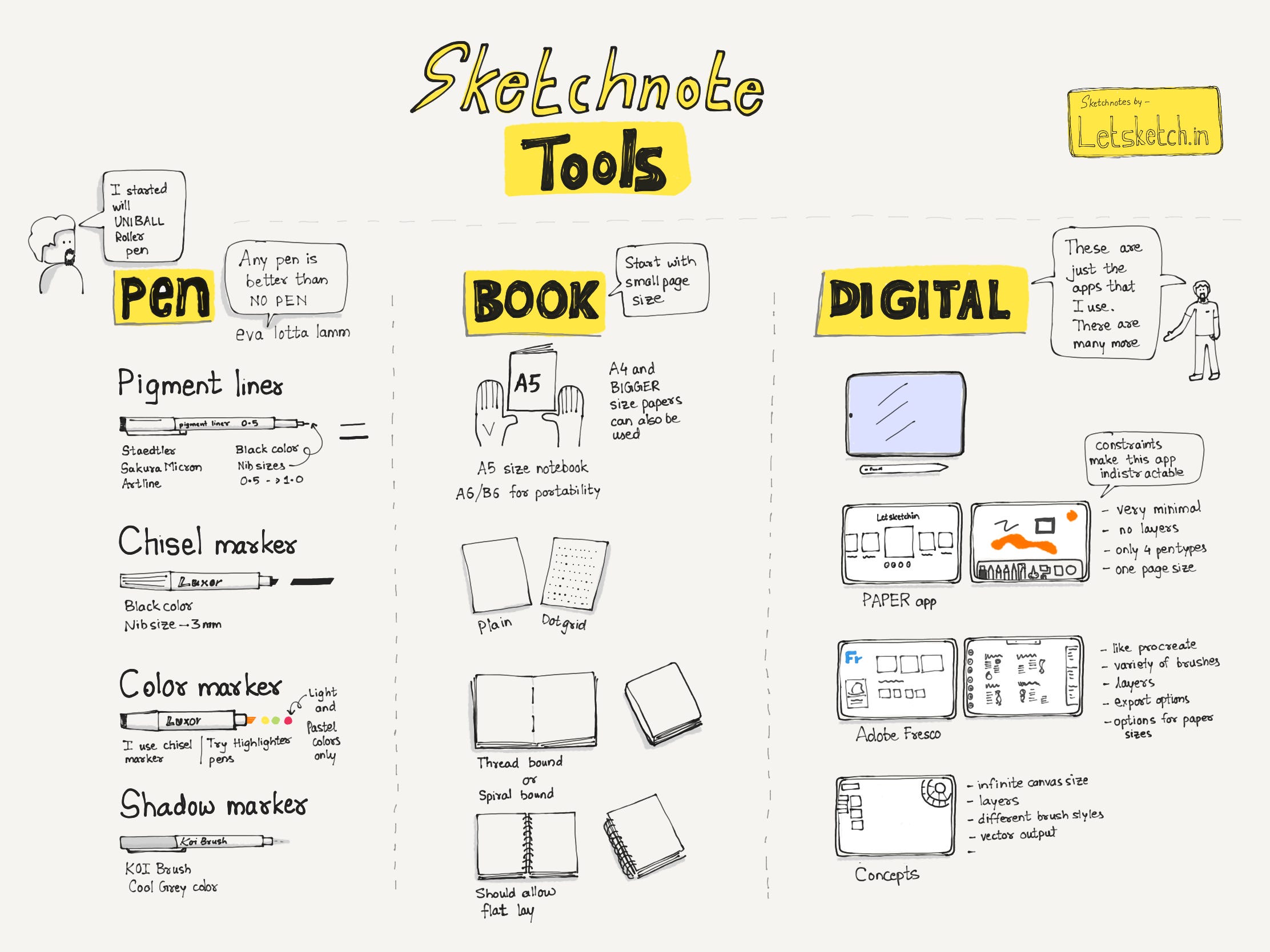
One of the most frequently asked question to me is about tools and apps used to get started on Sketchnoting.
And my answer always is Tools are never the blocker to get started on something.
Sketchnotes are all about taking notes with some visuals. For this you need any pen and a paper/book to get started. There are some basics if followed will make your notes visual in nature.
For me the most basic way is to create a grid (3x2, 2x3, 4x2, etc.) in the paper and fill each grid with your notes.
As you progress further in your Sketchnoting journey you might find the basic tools limiting. Here’s list of tools that helped me gain further confidence and improve.
Pen
If you want to start any pen or pencil is better than no pen.
Pen of 3 nib sizes are recommend. You can very well do with just one (less clutter), having 3 will give you freedom.
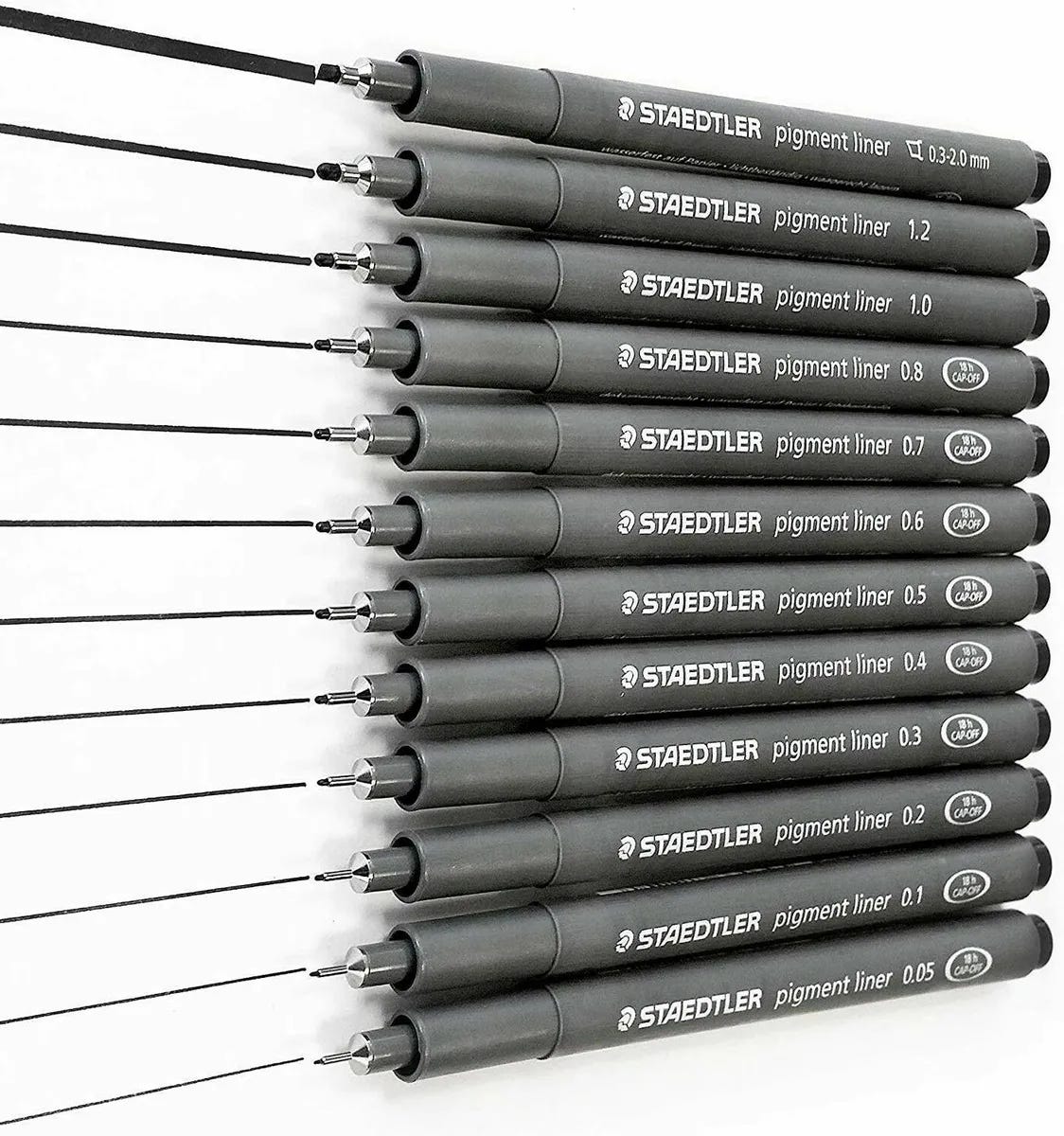
Pigment liner
I normally use pigment liner. They are waterproof, quick dry, and rich in black color.
Chisel marker
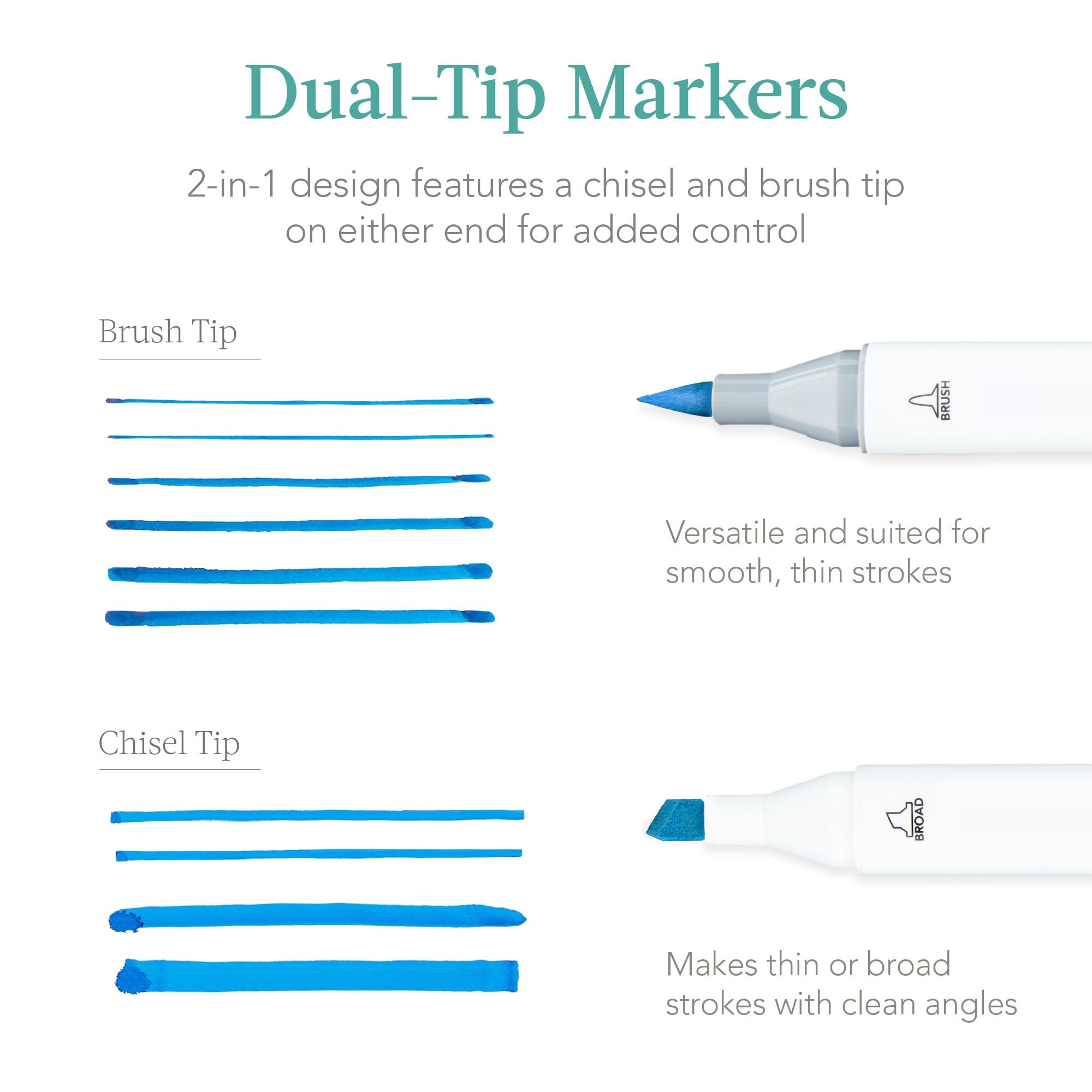
For bold text normally used for title and subtitles. Black color. With one stroke it gives a thick font weight.
You can also use a dual tip marker to get varying widths. This is for pro and beginners should avoid it. Less is More.
Color marker
Normally used to highlight important parts of sketchnote. Chisel or Thick nib. Light or pastel color. You can also use the highlighter pen
Shadow marker
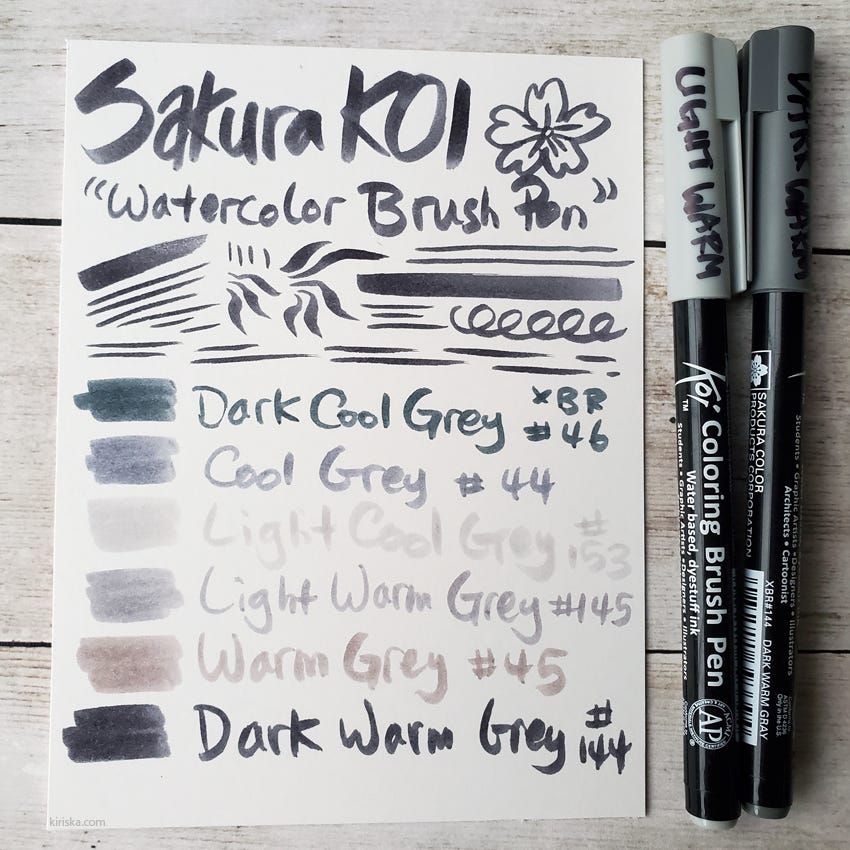
For this use a brush pen or grey or cool grey color
Do not use Eraser
Highly recommend not to use eraser in the process. It breaks the flow of your thoughts. We never erase our thoughts when thinking. It keeps flowing. Sketchnot
Book
When getting a book for Sketchnotes you have to keep in mind the comfort, accessibility, and page texture. These 3 parameters will help you get into the habit of
Size - A5/B6
A5 is an ideal size. Not too small not too big to carry. If you are beginning, get an A6 or B6 book. The smaller size
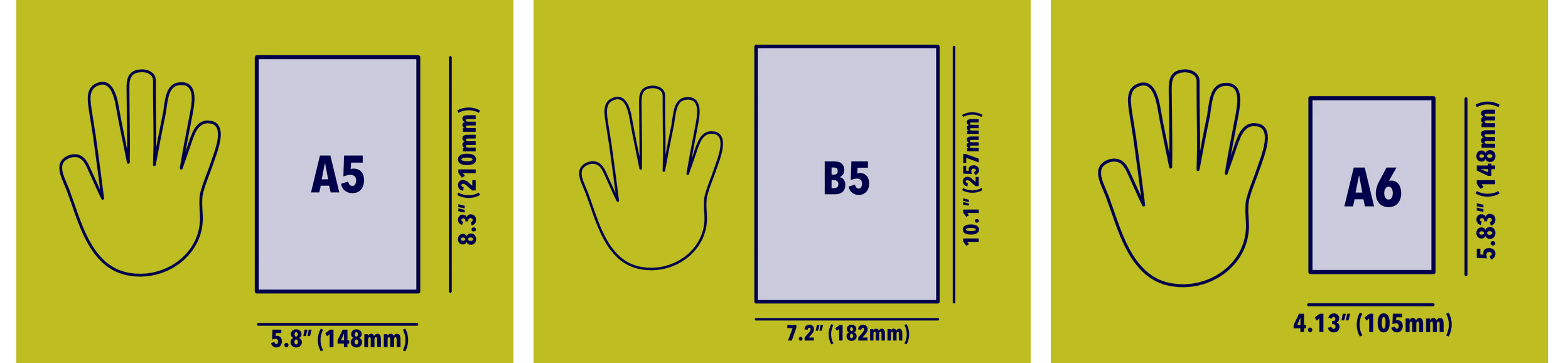
This site gives an amazing view of size comparison with hand.
Page thickness - 90 gsm
Get a book with atleast 90-100 gsm page. More thickness will make the paper hard and will loose flexibility to turn around. This is my experience, and you may choose to go with more thickness if you write very hard on the page to leave dent marks on the other side.
Page template - blank/dot grid
No template is the best template. An unruled blank page gives you liberty to sketchnote without any constraint and you can follow your path.
For beginners and those who are looking for a well aligned content use a dot grid paper. Light colored Dot grids will give a structural layout to your sketchnote that you can follow without worrying about mis alignment of your content.
Binding - Flat bed/Spiral
This is crucial parameter for choosing a good Sketchnote book. If your notebook keeps the pages turning over you will be frustrated just as you start. And then you’ll spend more time in keeping paper in place than sketchnote.
Flat bed/Spiral books allow you to lay your book flat. I like spiral because it uses less space.
Texture - Smooth
Your pen will glide on smooth paper. A rough texture will always be a hindrance for taking notes fast. It’s a choice. If you want to feel the paper while writing go with light textured paper.
Digital Tools
iPad and Pencil

Apps
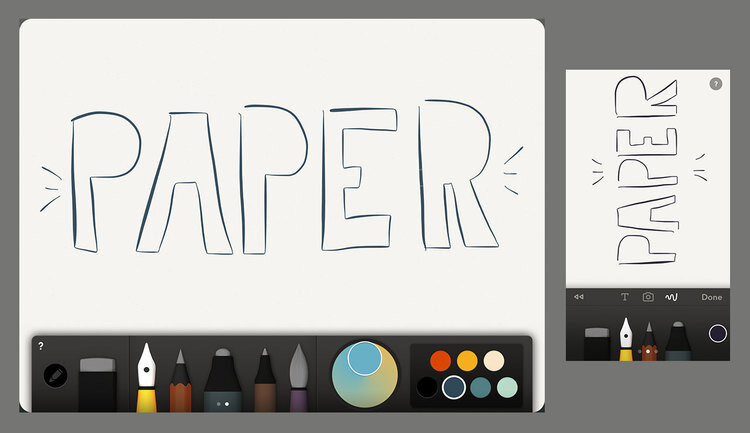
Paper
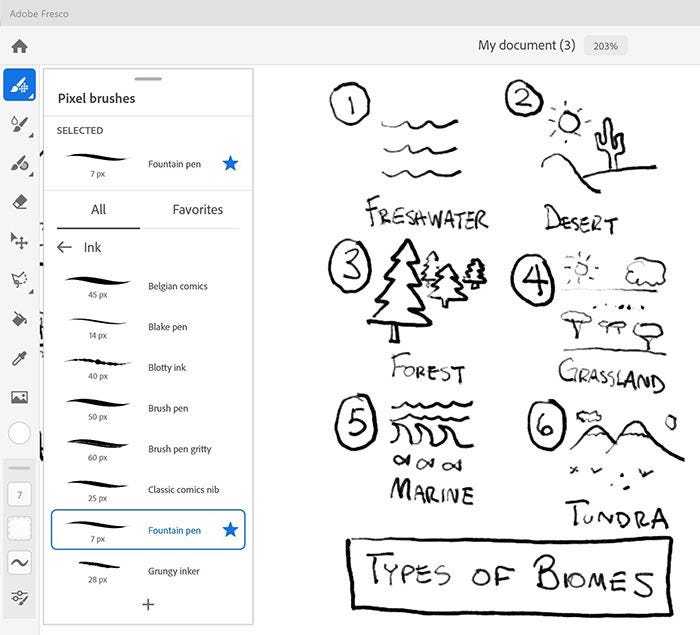
Adobe Fresco
Concepts
Related Previous Posts
Sketchnote on how to take notes with real example
Getting started with Sketchnotes
That’s all I have for today.
Have a wonderful week ahead Sketchnoting.